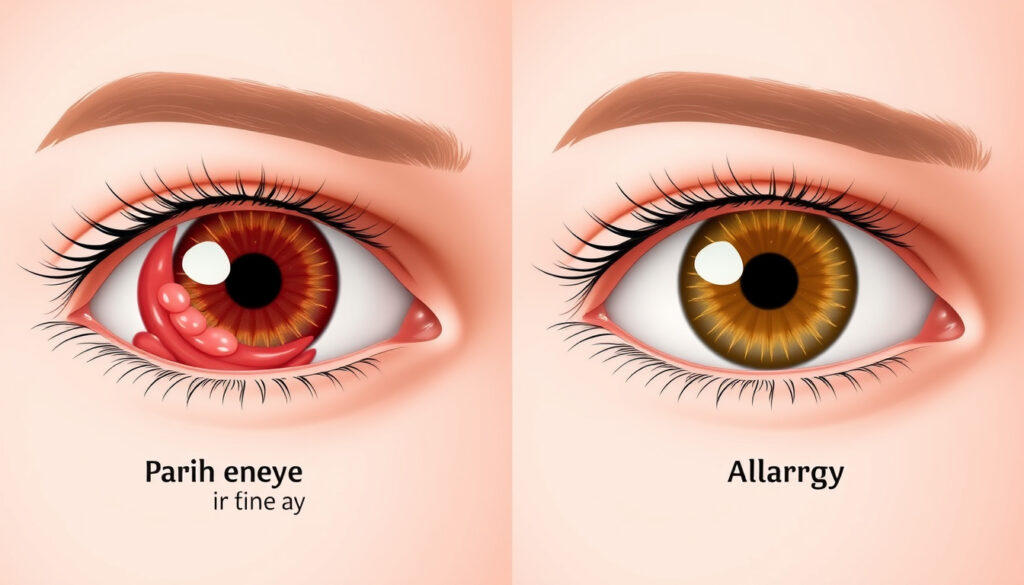
Pink Eye vs Allergies: How to Tell the Difference and What to Do
Itchy red eyes can leave anyone wondering: is this a contagious infection or just seasonal allergies? Each year, between 3 million and 6 million cases of pink eye occur in the U.S., according to the CDC (U.S. public health agency), while allergic conjunctivitis affects about 1 in 5 people annually. Knowing the difference matters because treatment and precautions are completely different. By the end, you’ll recognize the symptom clues that point one way or the other.
Annual U.S. pink eye cases (CDC): 3 million to 6 million ·
Allergic conjunctivitis prevalence: Affects 1 in 5 people annually ·
Contagious duration for bacterial pink eye: 24 to 48 hours after starting antibiotics ·
Typical allergic conjunctivitis duration: Lasts as long as allergen exposure continues
Quick snapshot
- Pink eye (infectious conjunctivitis) is highly contagious; eye allergies are not. (Mayo Clinic (leading U.S. medical center))
- Antihistamine eye drops relieve allergy symptoms but not infectious pink eye. (Mayo Clinic treatment guidelines)
- Whether a specific case is viral or bacterial without a lab swab. (CDC signs and symptoms)
- Duration of contagiousness after starting antibiotics if the infection is actually viral (antibiotics don’t work on viruses). (Hawaii Department of Health)
- Viral pink eye typically resolves in 7–14 days; allergic conjunctivitis lasts as long as you’re exposed to the allergen. (Cleveland Clinic (leading U.S. hospital system))
- If you have severe pain, light sensitivity, or blurred vision, see a doctor immediately. (Cleveland Clinic Health Essentials)
Four key details that frame the pink-eye-vs-allergies decision.
| Fact | Value |
|---|---|
| Incubation period (viral pink eye) | 1 to 12 days after exposure |
| Contagious period | From onset until 24–48 hours after antibiotic start (bacterial) or 3–7 days (viral) |
| Self-resolving timeframe | Viral pink eye: 7–14 days; allergic conjunctivitis: as long as allergen exposure continues |
| Most common cause of conjunctivitis | Viral (up to 80% of cases) |
| Itching intensity | More intense with eye allergies than with infectious pink eye |
| Discharge type | Yellow/green (bacterial); watery (viral or allergic) |
| Onset pattern | Allergies affect both eyes simultaneously; infection often starts in one eye |
| Contagiousness | Allergies: not contagious; infections: highly contagious |
| First-line treatment | Antihistamine drops for allergies; antibiotics for bacterial; supportive care for viral |
How to know if it’s allergies or pink eye?
The single most reliable clue is itching. According to the CDC treatment guidelines, intense itching is a hallmark of allergic conjunctivitis, while infectious pink eye tends to cause more discomfort and discharge than itch. (Minnesota Department of Health)
What are three symptoms of pink eye?
- Redness in the white of the eye and inner eyelid (CDC)
- A gritty or burning sensation, often with discharge that may crust around the eyelids (All About Vision)
- Excessive tearing or thick discharge that can make eyelids stick together, especially after sleep (Mayo Clinic News Network)
Is pink eye itchy?
It can be, but the itching is usually much less intense than with eye allergies. The CDC notes that itching is more typical of allergic conjunctivitis. If your primary complaint is “my eyes won’t stop itching,” allergies are the more likely culprit.
The biggest clue is itching intensity—if your eyes feel like they absolutely need to be rubbed, it’s likely allergies. If you have discomfort plus thick discharge, suspect infection.
The pattern: Itching severity separates the two conditions more reliably than redness alone. Allergic eyes itch intensely; infected eyes ache and ooze.
How do you rule out pink eye?
A simple test: do your symptoms improve after taking an oral antihistamine or using antihistamine eye drops? According to Hawaii Department of Health (state health authority), allergic conjunctivitis may improve when allergies are treated. If they do, the cause is likely allergic rather than infectious.
- Check discharge color and consistency. Thick yellow or green discharge suggests bacteria; clear, watery discharge can be viral or allergic. (All About Vision (optometry information resource))
- Associate symptoms with season. If you also have sneezing, runny nose, or watery eyes during pollen season, it’s more likely allergies. Perennial allergies from dust mites or pet dander can happen year-round. (Cleveland Clinic)
- Look for fever or light sensitivity. These are rare in allergies but can occur with viral or bacterial pink eye. (CDC)
- Watch for crusting. Crusty eyelids that are hard to open in the morning usually point to infection, not allergies. (Mayo Clinic)
Will Zyrtec help red eyes?
If the redness is from allergies, an oral antihistamine like Zyrtec (cetirizine) can help reduce histamine release and calm eye symptoms. It won’t help infectious pink eye. The Bon Secours health system confirms that allergic conjunctivitis treatment includes antihistamines.
How to treat allergy pink eye?
- Use over-the-counter antihistamine eye drops (e.g., ketotifen) as directed. (Mayo Clinic treatment guidelines)
- Avoid allergen exposure: stay indoors during high pollen counts, use HEPA filters, and wash bedding in hot water.
- Apply cold compresses to soothe itching and swelling.
- Do not rub your eyes—this releases more histamine and worsens symptoms.
Why this matters: Using antibiotic eye drops when you don’t need them contributes to antimicrobial resistance and won’t relieve allergy symptoms. The correct self-assessment can save both time and risk.
Do I have pink eye or is my eye just irritated?
Simple eye irritation from smoke, dry air, or a stray eyelash doesn’t produce the crusting or discharge that comes with infection. According to the CDC, true pink eye involves inflammation of the conjunctiva that is visible as redness and often accompanied by discharge. Irritated eyes may water but rarely crust.
Is allergic pink eye contagious?
No—allergic conjunctivitis cannot spread to another person. The CDC treatment page explicitly states that only viral and bacterial conjunctivitis are contagious. That difference alone makes the diagnosis crucial for workplaces, schools, and childcare.
The trade-off: If your eyes are irritated from dry air or a fan, you don’t need to stay home. If you have infectious pink eye, you need to isolate until you’ve been on antibiotics for 24–48 hours (bacterial) or until symptoms improve (viral).
What does stage 1 pink eye look like?
Early-stage pink eye shows up as redness in the white part of the eye and along the inner eyelid. The Mayo Clinic (leading U.S. medical center) describes a gritty sensation, like sand in the eye, along with mild discomfort. Viral pink eye often starts with watery discharge and slight lid swelling; bacterial pink eye can present with a sticky, crusty discharge that makes the eyelids stick together.
How long does allergic conjunctivitis last?
It lasts as long as you are exposed to the triggering allergen. According to the Cleveland Clinic (leading U.S. hospital system), seasonal allergic conjunctivitis persists through the pollen season (spring, summer, fall for tree, grass, and weed pollens), while perennial allergies from dust mites or pet dander can cause symptoms year-round.
If allergic symptoms don’t improve after a few days of antihistamine treatment, or if you develop pain, vision changes, or green discharge, the condition may have shifted to an infection. The timeline matters: allergies linger with exposure; infections change character over days.
What is commonly mistaken for pink eye?
Several conditions mimic pink eye’s redness and irritation but demand different care. The CDC lists blepharitis (eyelid inflammation) as a common lookalike, which causes redness and crusting but doesn’t infect the conjunctiva itself. (Mayo Clinic also notes blepharitis symptoms overlap.)
- Blepharitis: inflammation of the eyelid margins; causes redness, flaking, and a gritty feeling but rarely discharge.
- Dry eye syndrome: irritation and redness without discharge or contagion; often feels like a scratchy sensation that worsens over the day.
- Corneal abrasion or foreign body: pain, tearing, and redness in one eye only; often from an eyelash, dust, or contact lens misstep.
- Uveitis: inflammation inside the eye; causes pain, light sensitivity, and blurred vision—unlike typical pink eye, which does not affect vision.
One pattern stands out: conditions that involve discharge and crusting usually point to infection or blepharitis, while conditions without discharge (dry eye, uveitis) need a different workup.
Side-by-side: Pink eye vs. eye allergies
Five symptom factors, one contrast: infections produce thick discharge and often affect one eye first; allergies hit both eyes with watery fluid and fierce itchiness.
| Symptom | Infectious Pink Eye (viral/bacterial) | Eye Allergies (allergic conjunctivitis) |
|---|---|---|
| Itching | Mild to moderate | Intense, often severe |
| Discharge | Thick yellow/green (bacterial) or watery (viral) | Clear and watery |
| Onset pattern | Often starts in one eye, may spread to the other | Both eyes affected simultaneously |
| Contagiousness | Highly contagious (CDC) | Not contagious |
| Response to antihistamines | No improvement | Symptoms typically improve (Hawaii Dept of Health) |
What we know and what’s still unclear
Confirmed facts
- Bacterial conjunctivitis requires antibiotic treatment to reduce contagion. (Mayo Clinic)
- Allergic conjunctivitis is not contagious. (CDC)
- Antihistamine eye drops relieve allergy symptoms but not infectious pink eye. (Mayo Clinic)
- Viral pink eye accounts for up to 80% of infectious conjunctivitis cases. (CDC)
What remains unclear
- Whether a specific case is viral or bacterial without a swab test. (CDC)
- Duration of contagiousness after starting antibiotics for viral conjunctivitis (antibiotics are ineffective against viruses). (Hawaii Department of Health)
- Exact overlap between seasonal allergy symptoms and pink eye in individual patients.
Expert perspectives
“Viral and bacterial conjunctivitis are very contagious. They spread easily from person to person.”
— CDC – Pink Eye Fact Sheet (U.S. federal health agency)
“The main difference between pink eye and allergies is that pink eye is an infection, while allergies are your immune system reacting to a substance.”
— Cleveland Clinic Health Essentials (leading U.S. hospital system)
Both of these credible sources agree on a core dividing line: contagiousness. If you’re unsure, treat the condition as potentially contagious until you rule out infection—especially if you’re around children or immunocompromised people.
Making the call
For someone with seasonal allergies, the choice between antihistamine drops and ignoring the itch is clear: treat the allergies, and the red eyes follow. But for anyone with infectious pink eye, delaying antibiotic treatment means staying contagious longer and risking complications like corneal ulcers. The distinction isn’t academic—it determines whether you go to work, send your child to school, or pick up a prescription. So the next time your eyes turn red, ask yourself: does it itch or ooze? That single question can point you toward the right next step.
Related: What Does Strep Throat Look Like? and Normal Throat vs Sore Throat: Key Differences
To better distinguish between these conditions, you can See what pink eye looks like and recognize the key signs of conjunctivitis.
Frequently asked questions
Can pink eye go away on its own?
Yes—viral pink eye usually resolves in 7 to 14 days without treatment. Bacterial pink eye may also clear on its own, but antibiotics shorten the duration and reduce contagiousness. (Mayo Clinic)
What is the fastest way to cure pink eye?
For bacterial pink eye, prescription antibiotic eye drops are the fastest route. For viral pink eye, supportive care (warm compresses, artificial tears) helps, but you’ll have to wait for your immune system to clear it. For allergic conjunctivitis, antihistamine drops provide rapid relief. (CDC)
Can allergies cause pink eye in only one eye?
Rarely. Allergic conjunctivitis typically affects both eyes simultaneously because allergens make bilaterally contact with the eyes. If only one eye is red and itchy, consider an infection or a local irritant. (CDC)
Are there home remedies for allergic conjunctivitis?
Cold compresses can soothe itching and swelling. Avoiding allergen exposure—keeping windows closed, using a HEPA air purifier, and washing bedding in hot water—is the most effective non-medication approach. (Cleveland Clinic)
How long should I stay home if I have pink eye?
If it’s bacterial, stay home until you’ve been on antibiotics for 24 to 48 hours and symptoms start improving. If it’s viral, stay home until symptoms are improving and discharge is minimal—often 3 to 7 days. If it’s allergic, you don’t need to stay home at all. (CDC)
What eye drops are safe for both pink eye and allergies?
No single drop treats both effectively. Antihistamine drops are safe for allergies but won’t help infection. Antibiotic drops treat only bacterial pink eye. Lubricating artificial tears are safe for both but are supportive, not curative. (Mayo Clinic treatment guidelines)
When should I see a doctor for red, itchy eyes?
If you have severe pain, light sensitivity, blurred vision, or a foreign body sensation that doesn’t resolve after rinsing, seek medical care. Also see a doctor if discharge is green or yellow, or if you have a fever. (CDC)
More related posts
 Kingdom of the Planet of the Apes: Cast, Box Office & Guide
 Can Dogs Have Garlic? Toxicity, Dose, and What to Do
 Real Madrid vs Leganés: History, Record & Match Preview
 Lady Gaga Mayhem Tour 2025-2026: Dates, Tickets, Setlist & FAQ
 How to Say Hi in Spanish: Hola and Beyond
 How Old Is Demi Moore? Age, Plastic Surgery, Marriages & More
 Where to Watch Hazbin Hotel: Streaming, Age & LGBT Guide
 Grow a Garden Codes (May 2026): Active Codes & How to Redeem