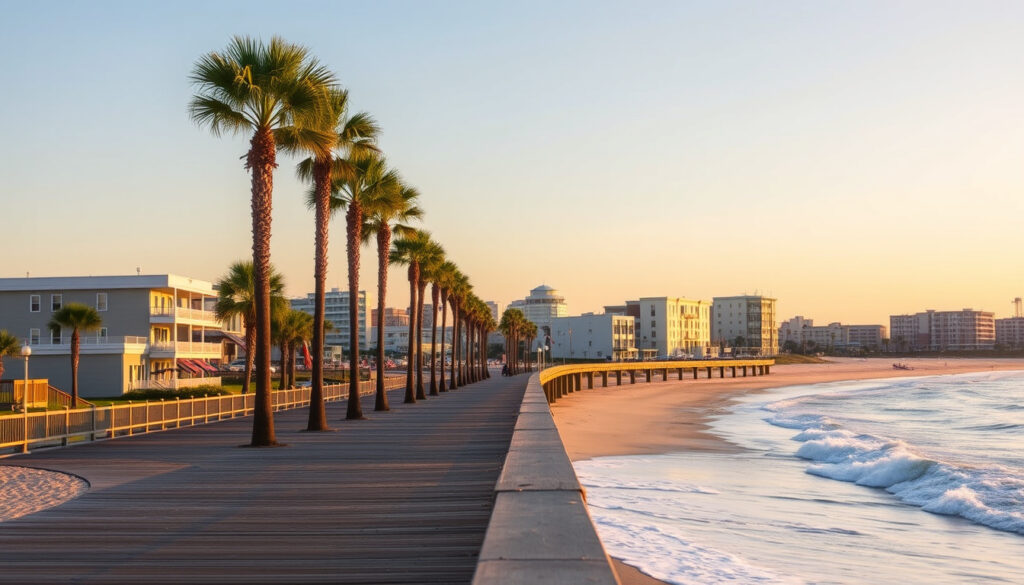
Myrtle Beach SC Travel Guide: Safety, Costs & Best Time
Few places along the Atlantic coast attract as many visitors each year as Myrtle Beach, yet the postcard image of 60 miles of sandy shoreline hides real questions about safety, costs, and timing. This South Carolina resort city has become a go-to destination for millions seeking affordable family fun, but travelers deserve straight answers before they book.
Beach Length: 60 miles (97 km) ·
Nickname: The Grand Strand ·
Beach Flag System: Green, Yellow, Red, Black
Quick snapshot
- Myrtle Beach is in Horry County, South Carolina – Official Myrtle Beach Visitors Guide (tourism authority)
- The beach is 60 miles long – Official Myrtle Beach Visitors Guide
- Beach flag system is used for water safety (green, yellow, red, black) – City of Myrtle Beach Visitor Resources (public safety)
- Exact origin of the “Dirty Myrtle” nickname – multiple theories exist
- Frequency of shark sightings near swimmers – no official annual count
- Effectiveness of shark repellent scents – not scientifically proven
- No major timeline events reported for this travel guide
- Plan your trip using official guides – Visit Myrtle Beach (official tourism site)
- Monitor weather and beach conditions via the city’s emergency notification system – City of Myrtle Beach (emergency alerts)
Nine key facts, one pattern: the numbers tell a story of seasonal extremes and safety awareness that every traveler should watch.
| Fact | Value | Source |
|---|---|---|
| Beach Length | 60 miles (97 km) | Official Myrtle Beach Visitors Guide |
| Official Nickname | The Grand Strand | Official Myrtle Beach Visitors Guide |
| Peak Tourist Season | June–August | KAYAK (travel booking platform) |
| Best Shoulder Month | October | KAYAK |
| Avg Hotel Jan | ~$144/night | Travel by Trait (travel guide) |
| Avg Hotel Jul | ~$360/night | Travel by Trait |
| Daily Family Budget (4 people) | ~$150–200 | TravelKickoff (editorial travel guide) |
| Beach Flag System | Green/Yellow/Red/Black | City of Myrtle Beach Visitor Resources |
| Emergency Alerts | City provides notifications for weather, health, safety | City of Myrtle Beach |
The pattern in this table: summer peak pricing doubles the cost of a winter stay, while the city’s safety infrastructure remains constant year-round.
Why is Myrtle Beach so famous?
Myrtle Beach sits at the center of the Grand Strand, a 60‑mile arc of sand that draws roughly 14 million visitors each year. The Official Myrtle Beach Visitors Guide (tourism authority) calls it “picture‑perfect coastline” and touts family‑friendly attractions, more than 80 golf courses, and entertainment complexes like Broadway at the Beach. The city itself, incorporated in 1938, has a year‑round population of about 35,682 (2020 U.S. Census), but that number swells dramatically during peak season.
The fame is earned: the beach is free and open to the public, the boardwalk stretches 1.2 miles, and the climate is warm for much of the year. But the sheer volume of visitors also creates crowding, traffic, and occasional friction between vacationers and locals.
Myrtle Beach’s fame is a double‑edged sword: the same 60 miles of sand that attract families also draw spring‑break crowds that can overwhelm infrastructure. Visitors who come in shoulder months get the beauty without the bottlenecks.
The implication: the city’s popularity is both its greatest asset and its biggest challenge for travelers seeking a relaxing getaway.
What is the best month to go to Myrtle Beach?
Travel guides agree on a clear pattern: the sweet spot falls in the shoulder seasons. KAYAK (travel booking platform) rates October as one of the best months because “extreme summer heat has passed while daytime temperatures and water temperatures remain warm enough for beach activities.” AAA (auto club and travel resource) notes that autumn offers “cooler weather, decreased rates, and fewer tourists,” though it falls during hurricane season.
Summer (June–August) brings the hottest weather and the highest hotel rates—around $360 per night in July according to Travel by Trait (travel guide)—along with packed beaches and long lines at restaurants. Winter (December–February) sees rates drop to roughly $144 per night, but many attractions close and the water is too cold for swimming.
- Peak: June–August – warm, crowded, expensive
- Shoulder: April–May, September–October – mild, fewer crowds, lower prices
- Off‑peak: November–March – cheapest, but cool and quiet
The trade‑off: spring breakers push prices up in March and April, while autumn hurricane risk is real. The pattern is clear: October delivers the best balance of weather, crowd, and cost.
What this means: a traveler who chooses October over July can save hundreds per night while still enjoying warm beach weather.
Is it expensive in Myrtle Beach?
Costs vary dramatically by season. A family of four can expect to spend roughly $150–200 per day including hotel, meals, and activities, according to an editorial travel guide from TravelKickoff (editorial travel guide). That’s comparable to other U.S. beach resorts, but the range is wide.
In summer, a mid‑range hotel room averages $360 per night; in winter, the same room can drop to $144, per Travel by Trait. AAA confirms that “winter or shoulder season usually has the lowest rates because it is too cold for swimming and beach lounging.”
Off‑season package deals can reduce costs further. The Visit Myrtle Beach (official tourism site) promotes vacation bundles that include lodging, dining, and attraction tickets. For budget‑conscious travelers, the key is timing: avoid summer and book early for spring or fall.
A family that books a July trip could pay more than double the winter rate for the same hotel room. The difference between a summer and fall vacation can be hundreds of dollars per night—money that could go toward a golf round or a seafood dinner.
The catch: budget-conscious travelers who can shift their trip by just a few weeks unlock significant savings without sacrificing beach weather.
Why is it called Dirty Myrtle?
The nickname “Dirty Myrtle” is unofficial and often considered insulting by locals. Multiple theories exist: some point to litter and overcrowding during spring break, others to water quality concerns that have surfaced in certain years. The City of Myrtle Beach (public safety and emergency services) does not use the term on its official materials, and the tourism board actively promotes the “Grand Strand” brand.
Water quality has been a periodic issue—the city monitors beach conditions and issues alerts when bacteria levels rise. But for most of the year, the beach meets state standards. The nickname persists more as a cultural joke than a current reality. Visitors should rely on official sources, not hearsay.
The implication: “Dirty Myrtle” is a reputation that predates modern cleanup efforts. Today’s beach is well‑maintained, but the label sticks because of past spring‑break excesses and isolated pollution events.
The pattern: a nickname that once reflected genuine problems now lingers as a cultural artifact, while the beach itself has improved significantly.
Is it safe to walk around Myrtle Beach?
Daytime beach areas are generally safe, with lifeguards and beach patrols active during peak season. The City of Myrtle Beach Visitor Resources provides an emergency notification system that covers “beach and severe weather warnings, public health and public safety alerts.” At night, caution is recommended, especially in less‑crowded stretches of the boardwalk and parking lots.
Why is Myrtle Beach a red flag?
The beach flag system indicates water conditions. A red flag means high hazard—strong currents or rough surf—and swimming is discouraged. A black flag means the water is closed to swimming. These flags are flown by lifeguards and posted at access points. The City of Myrtle Beach includes flag warnings in its public safety alerts. Red flags are common during stormy weather or when rip currents are present, not a sign of permanent danger.
What does a black flag at a beach mean?
A black flag means the water is closed—no swimming allowed. This is rare and usually follows a major storm, hazardous debris, or a water quality event. The city’s emergency system notifies residents and visitors when a black flag is in effect.
Do sharks come close to shore at Myrtle Beach?
Sharks inhabit nearshore waters along the entire Atlantic coast, including Myrtle Beach. Encounters are rare—there is no official annual count of shark sightings near swimmers, and most species are not aggressive. City of Myrtle Beach does not list shark encounters as a routine safety concern. Great white sharks have been detected off the South Carolina coast on rare occasions, but they do not typically come close to the beach.
Are there alligators in Myrtle Beach?
Alligators are present in freshwater ponds, canals, and golf course water hazards throughout the Grand Strand. They are not typically found on the ocean beach itself. The City of Myrtle Beach advises caution near freshwater bodies and to never feed or approach alligators.
What smell do sharks hate the most?
There is no scientifically proven scent that reliably repels sharks. Myths about copper, magnets, or specific oils have been debunked. The TravelCousin (travel safety guide) advises monitoring lifeguard flags and swimming in groups rather than relying on unproven deterrents.
The safety picture is nuanced: daytime beach areas are well‑patrolled, but nighttime walking requires vigilance. The flag system gives clear water warnings, but shark and alligator risks are low—and often exaggerated online. The real danger is rip currents, not wildlife.
What this means: a visitor who follows the flag system and uses common sense faces far greater risk from driving or overexposure to sun than from wildlife encounters.
Upsides
- 60 miles of free, public beach
- Wide range of accommodations (budget to luxury)
- Strong official safety resources (lifeguards, flag system, emergency alerts)
- Shoulder season offers great value
- Family‑friendly attractions and entertainment
Downsides
- Summer crowds and traffic can be overwhelming
- Peak season hotel rates can exceed $300/night
- Water quality concerns are periodic
- “Dirty Myrtle” reputation persists despite improvements
- Autumn trips fall in hurricane season
The Myrtle Beach area is often called the Grand Strand because it makes up 60 miles of picture‑perfect coastline.
— Official Myrtle Beach Visitors Guide (tourism authority)
City of Myrtle Beach is a residential and vacation community at the heart of South Carolina’s Grand Strand coast.
— City of Myrtle Beach (public safety and emergency services)
Clarity check
Confirmed facts
- Myrtle Beach is in Horry County, South Carolina – Official Myrtle Beach Visitors Guide
- The beach is 60 miles long – Official Myrtle Beach Visitors Guide
- Beach flag system is used for water safety – City of Myrtle Beach
What’s unclear
- Exact origin of “Dirty Myrtle” nickname – multiple theories, no official explanation
- Frequency of shark sightings near swimmers – no official annual count
- Effectiveness of shark repellent scents – not scientifically proven
For the traveler planning a trip, the choice is clear: if you can avoid the summer peak and book a shoulder‑season stay, you get the best of Myrtle Beach—warm weather, lower rates, and manageable crowds. For families on a tight budget, winter offers deep discounts, though many attractions close. The city’s safety infrastructure is robust, but common sense—checking the flag, staying out of freshwater canals at night, and respecting rip currents—remains your best protection.
The traveler who books wisely can enjoy Myrtle Beach without the crowds or the high costs that plague summer visitors.
visitmyrtlebeach.com, myrtlebeachguide.net, skaiya.com, travelcousin.com, lonestarlookingglass.com, explorenorthmyrtlebeach.com
Frequently asked questions
What is the closest airport to Myrtle Beach?
Myrtle Beach International Airport (MYR) is about 3 miles from the city center. It offers flights from major U.S. carriers.
What are the best family-friendly attractions in Myrtle Beach?
Broadway at the Beach, the Myrtle Beach Boardwalk, the SkyWheel, and numerous water parks. The official tourism site lists family packages.
Is Myrtle Beach a good destination for a golf vacation?
Yes—with over 80 courses, Myrtle Beach is one of the top golf destinations in the U.S. Many courses offer stay‑and‑play packages.
What is the average weather in Myrtle Beach during summer?
Daytime highs average 85–90°F (29–32°C), with high humidity. Afternoon thunderstorms are common. Water temperatures reach the low 80s°F.
Can you drink alcohol on the beach in Myrtle Beach?
No. The city ordinance prohibits alcohol on the beach. Violations can result in fines.
Are there any dangerous animals on Myrtle Beach?
Alligators are present in freshwater ponds and canals, not on the ocean beach. Jellyfish and stingrays can appear in the water; lifeguards post warnings.
What is the best beach in Myrtle Beach for swimming?
Most of the Grand Strand is swimmable. Areas with lifeguards are safest. North Myrtle Beach tends to be less crowded; check flag conditions first.
More related posts
 Extremely Thin Hair Low Maintenance Bob Hairstyles for Fine Hair – Styles for Effortless Volume
 Invisalign Before and After: Real Results & What to Expect
 Watch Final Destination Bloodlines: HBO Max, Prime Video & More
 Scooby-Doo Mystery Incorporated: Cancellation & LGBTQ Guide
 How to Say Hi in Spanish: Hola and Beyond
 Boy Meets World Cast: Main Actors, Recurring & Guest Stars
 Jelly Roll Net Worth 2026: $20 Million and Divorce Details
 Best Cordless Stick Vacuum: Expert-Tested Reviews & Picks