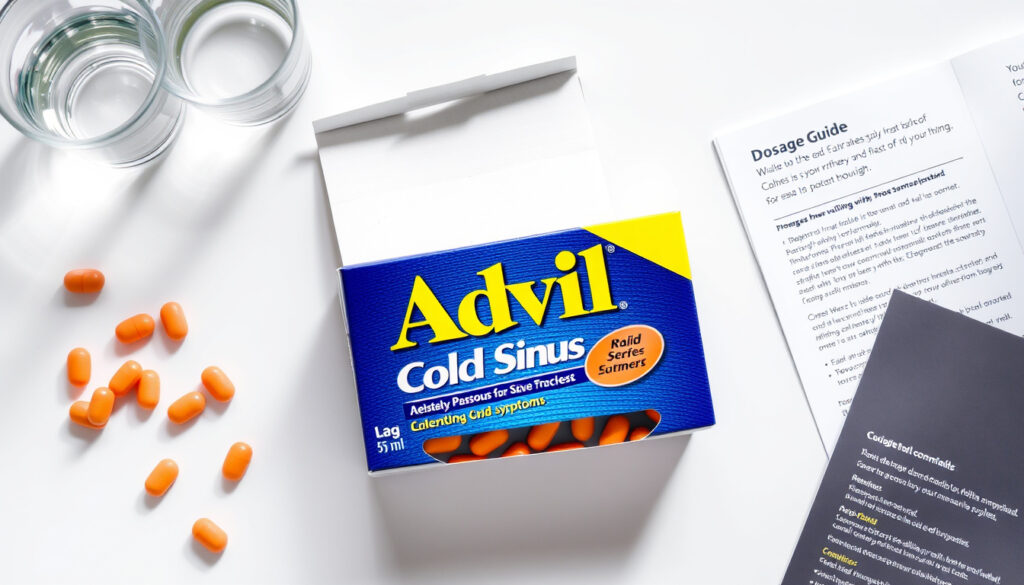
Advil Cold and Sinus is an over-the-counter combination medication designed to address multiple sinus symptoms simultaneously. It pairs a pain reliever with a nasal decongestant to target sinus pressure, congestion, headache, and facial pain. Available in both caplet and liqui-gel forms, this medication is marketed as non-drowsy and can be purchased at most major pharmacies without a prescription.
Understanding proper dosage, potential side effects, and medication interactions is essential for anyone considering this product. This guide covers the key information consumers need to make informed decisions about using Advil Cold and Sinus safely and effectively.
The medication combines two active ingredients to provide comprehensive sinus relief. Those with certain medical conditions or who are taking other medications should consult a healthcare provider before use.
What is the correct dosage for Advil Cold and Sinus?
- Adults and children 12 years and older may take 1-2 caplets or liqui-gels every 4-6 hours as needed
- The maximum daily dose should not exceed 6 caplets or liqui-gels within a 24-hour period
- Taking the medication with food helps reduce the risk of stomach irritation
- Children under 12 years old should not use this product
- Pseudoephedrine products may require identification at purchase due to regulatory requirements
- Those with cardiovascular conditions, hypertension, or thyroid problems should seek medical advice before use
- Pregnant women, particularly those in their third trimester, should avoid this medication
| Fact | Details |
|---|---|
| Standard Adult Dosage | 1-2 caplets every 4-6 hours; maximum 6 per 24 hours |
| Minimum Age | 12 years and older |
| Key Active Ingredient | Pseudoephedrine HCl 30 mg (nasal decongestant) |
| Secondary Active Ingredient | Ibuprofen 200 mg (NSAID pain reliever/fever reducer) |
| Administration | Take with food to minimize stomach irritation |
| Product Forms | Coated caplets and liqui-gels |
What are the directions for taking Advil Cold and Sinus?
Taking with food and timing intervals
The medication should be taken with food or milk to reduce the likelihood of stomach discomfort. According to dosage guidelines from GoodRx, doses must be spaced at least 4 hours apart. This spacing allows the body to metabolize each dose properly before introducing another.
Taking the medication on an empty stomach increases the risk of gastrointestinal irritation, particularly given the NSAID component. Patients who experience persistent stomach upset despite taking it with food should contact their healthcare provider.
Duration of use and reevaluation guidelines
Users should discontinue the medication and seek medical advice if fever persists for more than three days or if nasal congestion continues beyond seven days of treatment. These timeframes suggest the symptoms may require additional evaluation or a different treatment approach.
Continuing to use the product beyond these periods without professional guidance can mask underlying conditions that may need separate treatment. A pharmacist or physician can help determine whether the current approach remains appropriate.
What are the side effects of Advil Cold and Sinus?
Like all medications, Advil Cold and Sinus can produce both common mild reactions and rare but serious adverse effects. Understanding these potential responses helps users recognize when professional medical attention may be necessary.
Serious side effects requiring urgent care include severe allergic reactions with facial swelling or hives, severe chest pain, irregular heartbeat, persistent drowsiness, seizures, and signs of stomach bleeding such as bloody vomit or black stools. According to health reference sources, these reactions, while rare, demand prompt medical intervention.
Common and mild reactions
Mild side effects affect a significant portion of users. Gastrointestinal symptoms occur in approximately 25 percent of users and typically include mild nausea and abdominal discomfort. Other common reactions encompass constipation, diarrhea, dizziness, tinnitus (ringing in the ears), slight drowsiness, minor headaches, decreased appetite, anxiety, insomnia, nervousness, heartburn, bloating, and gas.
These symptoms often resolve on their own as the body adjusts to the medication. Reducing dosage or taking the product with food may help minimize some of these effects. Users experiencing persistent or worsening mild symptoms should consult a healthcare professional.
Cardiovascular and nervous system effects
Cardiovascular effects, including fluid retention and elevated blood pressure related to the pseudoephedrine component, occur in approximately one to three percent of users according to medical reference data. Those with pre-existing heart conditions or hypertension face higher risk and should use this product only under physician supervision.
Nervous system effects range from mild headaches and lethargy to rare severe conditions such as pseudotumor cerebri. Users should monitor for persistent headaches, visual changes, or unusual fatigue and report these to a healthcare provider.
What are the ingredients in Advil Cold and Sinus?
Active pharmaceutical components
The medication contains two active ingredients that work through different mechanisms. Ibuprofen, at 200 milligrams per caplet, belongs to the NSAID class and provides analgesic, anti-inflammatory, and fever-reducing properties. This component addresses the pain and inflammation associated with sinus pressure.
Pseudoephedrine hydrochloride, at 30 milligrams per dose, acts as a nasal decongestant by constricting blood vessels in the nasal passages. This action reduces swelling and congestion, allowing for easier breathing through the nose. The combination addresses both the underlying inflammation and the symptom of nasal blockage.
Form variations and alternatives
Advil Cold and Sinus comes in two distinct forms. Caplets are traditional coated tablets, while liqui-gels contain the medication in a liquid gel casing that some users find easier to swallow and may offer faster absorption. Both forms contain identical active ingredients and dosing recommendations.
An alternative product called Advil Allergy Sinus includes an additional ingredient: chlorpheniramine 2 mg, an antihistamine. This variant targets allergy symptoms alongside cold and sinus complaints. Users comparing options should note this distinction when selecting a product.
Pseudoephedrine is a regulated substance due to its use in illegal drug manufacturing. Retailers may require customers to show identification and maintain purchase logs. Limits on quantities may apply. Users should expect these procedures when purchasing at pharmacies.
Can you take Advil Cold and Sinus with other medications?
Medications to avoid
Certain drug combinations pose significant risks when taking Advil Cold and Sinus. Monoamine oxidase inhibitors (MAOIs) present a particular danger, as concurrent use can trigger a hypertensive crisis. Users currently taking MAOIs or those who have taken them within the past two weeks should not use this product.
Combining with other pseudoephedrine products, nasal decongestants, aspirin, or additional NSAIDs increases the risk of adverse effects. These combinations can amplify decongestant effects or compound gastrointestinal bleeding risks associated with multiple NSAID use.
Medications requiring caution
Several categories of medications warrant careful consideration before using Advil Cold and Sinus. Beta-blockers may experience increased pressor effects from pseudoephedrine. Diuretics, anticoagulants, and corticosteroids all carry elevated gastrointestinal bleeding risk when combined with ibuprofen. Patients taking these medications should discuss alternatives with their physician or pharmacist.
For those wondering about specific combinations, WebMD’s drug interaction database provides detailed information on individual medication combinations.
Consuming three or more alcoholic drinks daily while taking Advil Cold and Sinus substantially increases the risk of stomach irritation and bleeding. Complete avoidance of alcohol is recommended during treatment. For information on alcohol-related health impacts, see our guide on Alcohol Withdrawal Syndrome Symptoms.
Regarding Mucinex and similar products
Mucinex (guaifenesin) is an expectorant that works differently than the decongestant component in Advil Cold and Sinus. While they function through distinct mechanisms, combining multiple cold and sinus medications requires careful evaluation of total ingredient loads. Users should review all products for overlapping active ingredients before simultaneous use.
A pharmacist can help determine whether specific combinations are appropriate based on an individual’s complete medication profile and health status. This guidance is particularly valuable for those taking prescription medications alongside over-the-counter products.
Who should avoid Advil Cold and Sinus?
Age and population restrictions
Children under 12 years old should not use this medication. Pediatric dosing has not been established for this specific combination, and alternative formulations designed for younger populations should be considered. For more information on restless leg syndrome and its treatments, consult Restless Leg Syndrome Causes and Relief.
Pregnant women, particularly those in their second or third trimester (20 weeks or later), should avoid this product unless specifically directed by their physician. The NSAID component can affect fetal development and complicate delivery. Breastfeeding mothers should also exercise caution, as the decongestant component may pass into breast milk.
Medical conditions requiring avoidance
Multiple medical conditions contraindicate or require caution with this medication. Those with severe hypertension, heart disease, or history of heart surgery face elevated cardiovascular risks from the pseudoephedrine component. Liver or kidney disease impairs the body’s ability to metabolize and clear the medication properly.
Additional conditions requiring evaluation include asthma, diabetes, gastrointestinal or urinary obstruction, Raynaud’s phenomenon, Crohn’s disease, angioedema, thyroid disorders, and recent stroke history. Elderly patients face higher bleeding risks and should use this product only under medical guidance. Smokers also carry elevated cardiovascular risk when using NSAID-containing products.
Anyone with a known allergy to aspirin or other NSAIDs should avoid this product due to the risk of severe allergic reactions. For more information on stimulant sensitivities, see our resource on How Much Caffeine Is Too Much.
Where can you buy Advil Cold and Sinus?
Advil Cold and Sinus is available at most major retail pharmacies, including Walgreens and CVS locations. It is typically stocked in the cold and flu aisle alongside other over-the-counter sinus and congestion remedies. The product is also available through online retailers for home delivery or store pickup.
Prices vary by retailer and location, though packs containing 20 to 24 caplets typically range from eight to fifteen dollars depending on sales and geographic area. Store brands offering the same active ingredient combination may provide a more economical alternative for price-conscious consumers.
Due to pseudoephedrine regulations, in-store purchases may require customers to present valid identification. Some jurisdictions limit the quantity purchasable within a defined period. Those preferring not to undergo this process may want to explore alternative decongestant formulations that do not contain pseudoephedrine.
What information is established versus uncertain?
Established information
- Dosage: 1-2 caplets every 4-6 hours, max 6 per 24 hours for those 12 and older
- Active ingredients: Ibuprofen 200 mg and pseudoephedrine HCl 30 mg per caplet
- Available forms: Coated caplets and liqui-gels
- Age restriction: Not recommended for children under 12
- Contraindications: Avoid with MAOIs, aspirin, other NSAIDs, severe hypertension
- Side effects: Common gastrointestinal symptoms in approximately 25% of users
Information requiring individual assessment
- Specific product pricing at individual retailers
- Precise onset time for symptom relief
- Interactions with every individual medication combination
- Suitability for specific medical situations not explicitly listed
- Effects during early pregnancy (before 20 weeks)
What makes Advil Cold and Sinus different from other options?
The dual-action formula distinguishes Advil Cold and Sinus from single-ingredient alternatives. While decongestant-only products address nasal blockage, they do not relieve the pain and pressure associated with sinus inflammation. Pain reliever-only products, conversely, do not address congestion.
The inclusion of ibuprofen provides anti-inflammatory benefits that acetaminophen-based products cannot offer. This makes the formulation particularly suited for sinus issues involving significant facial pressure or headache. However, users with conditions contraindicating NSAID use should consider alternative formulations.
The pseudoephedrine component offers effective congestion relief but carries the regulatory requirements noted previously. Alternative products using phenylephrine as a decongestant avoid these restrictions, though some evidence suggests pseudoephedrine may be more effective at reducing nasal congestion.
Sources and clinical references
“Advil Cold and Sinus is an over-the-counter combination medication containing ibuprofen 200 mg (pain reliever/fever reducer) and pseudoephedrine HCl 30 mg (nasal decongestant) per caplet or liqui-gel, used for sinus pain, pressure, headache, and congestion.”
— GoodRx Medication Database
“Adults and children 12 years and older: Take 1-2 caplets or liqui-gels every 4-6 hours as needed, with food to reduce stomach irritation. Do not exceed 6 caplets/24 hours.”
— Physicians’ Reference to Medication (EMPR)
Bottom line summary
Advil Cold and Sinus provides an effective combination approach for addressing sinus pain, pressure, congestion, and headache when used according to labeled directions. The standard dosage of one to two caplets every four to six hours, not exceeding six doses daily, suits most adults and children 12 and older when taken with food.
The medication is not appropriate for children under 12, pregnant women in their later trimester, or individuals with certain cardiovascular, gastrointestinal, or allergic conditions. Understanding potential side effects and medication interactions helps users recognize when professional medical advice is needed. For persistent symptoms beyond three days of fever or seven days of congestion, or when uncertain about suitability, consulting a pharmacist or physician remains the recommended course of action.
Frequently asked questions
Is Advil Cold and Sinus available at Walgreens?
Yes, Advil Cold and Sinus is available at Walgreens locations in the cold and flu section. Prices may vary by store, and pseudoephedrine regulations may apply.
Can I use Advil Cold and Sinus if I am under 12 years old?
No, children under 12 should not use this product. Pediatric formulations or alternative medications should be considered for younger children.
How much does Advil Cold and Sinus typically cost?
Packs containing 20 to 24 caplets typically range from eight to fifteen dollars depending on the retailer and location. Prices fluctuate and may be affected by sales.
Will Advil Cold and Sinus make me drowsy?
The product is marketed as non-drowsy. However, slight drowsiness is listed as a possible side effect in some users. Driving or operating machinery should be evaluated individually.
Can I drink alcohol while taking Advil Cold and Sinus?
Alcohol should be avoided during treatment, as it increases the risk of stomach irritation and bleeding associated with the ibuprofen component.
How long should I wait between doses?
Doses should be spaced at least 4 hours apart. Do not exceed 6 doses within any 24-hour period.
Is a prescription required for Advil Cold and Sinus?
No, Advil Cold and Sinus is available over-the-counter. However, pseudoephedrine regulations may require identification at purchase.