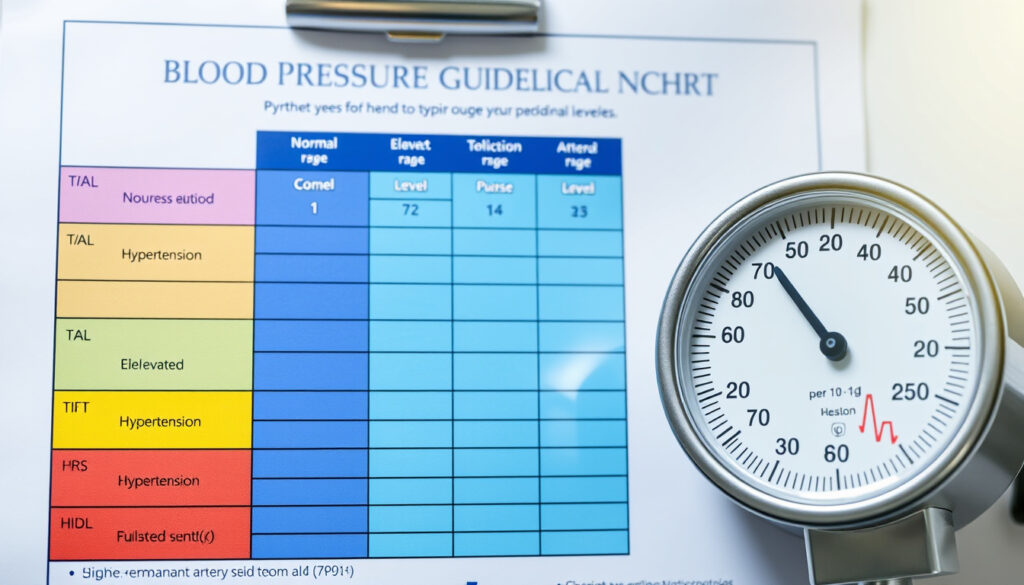
What Is Considered High Blood Pressure? Charts & Guidelines
Blood pressure thresholds shifted in 2017 when the American Heart Association lowered the diagnostic bar to 130/80 mmHg — yet Ireland still uses 140/90 mmHg for clinical diagnosis. That discrepancy affects millions of patients trying to interpret their readings, especially adults over 50 who are most at risk.
High blood pressure threshold: 140/90 mmHg or higher · Ideal blood pressure: Less than 120/80 mmHg · Over age 80 threshold: 150/90 mmHg or higher · CDC high blood pressure: 130/80 mmHg or higher · Hypertensive emergency: Higher than 180/120 mmHg
Quick snapshot
- Blood pressure classifications from the American Heart Association define normal as less than 120/80 mmHg (American Heart Association)
- The CDC and AHA both set the hypertension threshold at 130/80 mmHg — lower than the 140/90 mmHg still used by HSE Ireland (CDC)
- HSE Ireland sets separate home-reading targets: 135/85 mmHg versus 140/90 mmHg in clinic settings (HSE Ireland)
- Symptom lists vary across sources — most medical guidelines agree hypertension is often asymptomatic, but some symptom compilations draw on less rigorous evidence
- The clinical benefit of water intake for blood pressure reduction remains scientifically uncertain, despite widespread anecdotal advice
- Guidelines shifted significantly in 2017 when the AHA adopted the 130/80 mmHg threshold, replacing older age-stratified targets (Harvard Health)
- The 2024 European Society of Cardiology guidelines recommend <130/80 mmHg for most adults (Trinity College Dublin)
- Irish adults aged 40+ should be screened annually according to HSE Ireland guidance — yet recent data shows 62% of Irish hypertension patients were not appropriately managed under 2018 European standards
- When 2024 ESC guidelines are applied, 77% of older Irish adults with hypertension are not optimally managed
Irish and international guidelines diverge on which numbers should trigger concern and treatment. The table below summarizes the most widely cited thresholds from major health authorities.
| Label | Value | Source |
|---|---|---|
| HSE high threshold | 140/90 mmHg or 135/85 at home | HSE Ireland |
| Irish Heart ideal | <120/70 mmHg | HSE Ireland |
| CDC definition | >=130/80 mmHg | CDC |
| Emergency level | >180/120 mmHg with symptoms | American Heart Association |
What is normal blood pressure by age?
Blood pressure targets vary meaningfully depending on which guidelines your GP follows and how old you are. Understanding these age bands helps you interpret your next reading without unnecessary alarm — or dangerous complacency.
Children and teens
Normal blood pressure in children is considerably lower than in adults and is calculated based on age, height, and sex percentiles. For teenagers, a reading consistently above 130/80 mmHg warrants discussion with a paediatrician. The American Heart Association notes that childhood hypertension tracks into adulthood in many cases, making early monitoring worthwhile.
Adults under 60
For most adults under 60, both the American Heart Association and the CDC consider blood pressure high when it reaches 130/80 mmHg consistently. The World Health Organization classifies normal blood pressure as less than 120/80 mmHg, with high normal ranging from 120–129 systolic and 80–84 diastolic. If your reading sits in the 130–139/80–89 mmHg range, that’s Stage 1 hypertension — time to discuss lifestyle changes and potentially medication with your doctor. Stage 2 hypertension, defined as 140/90 mmHg or higher, typically calls for medical intervention.
Over 60 and 80+
Here’s where guidelines diverge most sharply. HSE Ireland sets the target blood pressure for people over 80 at below 150/90 mmHg when measured in clinic or surgery, and below 145/85 mmHg for home readings. The older 2015 AHA/ACC guidelines also used 150/90 mmHg as the goal for adults aged over 80 years. However, the 2024 European Society of Cardiology guidelines recommend <130/80 mmHg for most adults, including older populations. Research from the American Heart Association's journal Circulation found that a 20 mm Hg lower systolic blood pressure was associated with a >2-fold difference in cardiovascular mortality at ages 40 to 49 years, but the benefit diminished considerably by ages 80 to 89 years.
Should I worry if my blood pressure is 150/80?
A reading of 150/80 mmHg sits in an interesting middle ground. The systolic number (150) is elevated, but the diastolic number (80) falls within the normal range. Here’s what that actually means for your risk profile.
Systolic vs diastolic risks
Elevated systolic pressure — the top number — indicates your arteries are experiencing higher-than-ideal force when your heart contracts. An isolated systolic reading of 150 mmHg places you in Stage 2 hypertension territory under most guidelines. The diastolic of 80 is perfectly normal, which means your arteries aren’t showing the stiffening pattern common in older adults. This combination is more common in younger and middle-aged adults than in seniors, where both numbers tend to rise together.
When to monitor at home
HSE Ireland recommends home monitoring using a validated monitor, with an average reading above 135/85 mmHg considered elevated for home use — lower than the clinic threshold of 140/90 mmHg. This accounts for “white coat effect,” where anxiety in medical settings temporarily raises blood pressure. Taking readings at home, in a relaxed state, typically produces lower numbers. If your home average consistently runs 135/85 or above, that’s clinically significant regardless of what your clinic reading shows.
Average readings matter
One elevated reading at the GP’s office doesn’t constitute hypertension. Blood pressure fluctuates throughout the day based on activity, stress, caffeine, and even the time of day. What matters is the pattern — readings taken at different times over several weeks or months. If three or more readings taken on separate days show 140/90 mmHg or higher, your doctor will likely diagnose hypertension and discuss a management plan.
A reading of 150/80 warrants a conversation with your GP, not panic. Consistent home monitoring over two to four weeks gives your doctor the data needed to make an accurate diagnosis — one clinic reading doesn’t tell the full story.
What are 10 warning signs of high blood pressure?
This is where high blood pressure earns its nickname: the silent killer. Most people with elevated blood pressure experience no symptoms at all, which is why regular screening is the only reliable way to catch it before damage occurs.
Common symptoms
When symptoms do appear, they often overlap with everyday conditions — headaches, dizziness, shortness of breath, or nosebleeds. These are easily attributed to stress, dehydration, or a common cold. If you experience sudden or severe headaches, particularly in the morning, it can be a signal of very high blood pressure. Blurred or double vision may indicate severely elevated readings affecting the blood vessels in your eyes.
- Severe morning headaches, especially at the back of the head
- Shortness of breath during routine activities
- Vision changes, including blurriness or sudden vision loss
- Chest pain or pressure
- Nosebleeds without apparent cause
- Dizziness or lightheadedness
- Fatigue that doesn’t improve with rest
- Swelling in ankles and feet
- Rapid weight gain from fluid retention
- Irregular heartbeat or palpitations
Silent killer aspects
The American Heart Association emphasizes that hypertension typically develops over years without noticeable warning signs. By the time symptoms emerge, the condition has often already caused damage to blood vessels throughout the body. This damage can lead to heart attack, stroke, or kidney disease — often before any symptom prompts someone to check their blood pressure. The Irish Longitudinal Study on Ageing found that 62% of Irish adults with hypertension were not appropriately managed, suggesting many are walking around with undetected or undertreated elevated blood pressure.
Headaches and vision changes
Severe headaches, especially those concentrated at the back of the head and occurring in the morning, can indicate a hypertensive crisis. Vision changes — from occasional blurriness to sudden vision loss — may signal that high blood pressure is damaging the tiny vessels in your eyes. Both symptoms warrant immediate medical attention, particularly if accompanied by chest pain or shortness of breath. If your blood pressure reads higher than 180/120 mmHg and you experience any of these symptoms, the American Heart Association advises calling 911 immediately.
The pattern: symptoms that appear suddenly at severe levels differ from the gradual damage that builds silently over years. Waiting for symptoms before checking your blood pressure is backwards — by the time hypertension announces itself with a headache or vision change, organ damage may already be underway.
Annual screening after age 40 — as HSE Ireland recommends — catches the problem before it catches you.
What causes high blood pressure?
High blood pressure develops through a combination of factors you can influence and others you simply inherit. Understanding the causes helps you prioritize which areas to address first.
Lifestyle factors
Obesity and high salt intake are among the most significant modifiable contributors to elevated blood pressure. Each kilogram of excess body weight raises systolic blood pressure by approximately 1 mmHg. Excessive sodium causes the body to retain fluid, increasing blood volume and the force exerted against artery walls. Physical inactivity, heavy alcohol consumption, and chronic stress also contribute meaningfully. The DASH (Dietary Approaches to Stop Hypertension) diet, which emphasizes fruits, vegetables, whole grains, and lean protein while limiting salt, has demonstrated significant blood pressure reductions in clinical trials.
Medical conditions
Several underlying medical conditions can cause or worsen high blood pressure. Kidney disease disrupts the body’s fluid and salt balance, directly raising blood pressure. Sleep apnea, particularly obstructive sleep apnea, causes repeated oxygen deprivation that triggers stress hormones and raises blood pressure overnight. Thyroid disorders, adrenal gland tumors, and certain medications including decongestants, some painkillers, and oral contraceptives can also elevate readings.
Genetics and age
Family history is one of the strongest predictors of hypertension. If your parents or siblings have high blood pressure, your own risk increases substantially. High blood pressure becomes more common after age 40 years, and systolic pressure tends to rise with age as arteries lose elasticity. Men face higher risk before age 65, while women’s risk increases postmenopausal. These non-modifiable factors don’t doom you to hypertension — but they make monitoring and lifestyle attention more critical as you age.
How to control high blood pressure?
Managing blood pressure typically involves both lifestyle changes and, when necessary, medication. The approach your doctor recommends will depend on your readings, age, overall health, and cardiovascular risk profile.
Diet changes
The DASH diet remains the most evidence-backed dietary approach for blood pressure control. Research from the American Heart Association shows it can reduce systolic blood pressure by 8–14 mmHg. Key changes include limiting sodium to under 2,300 mg daily (ideally under 1,500 mg for those with hypertension), increasing potassium intake through foods like bananas, leafy greens, and beans, and reducing processed food consumption. Alcohol moderation also matters — heavy drinking raises blood pressure directly and contributes to weight gain.
Exercise routine
The American Heart Association recommends at least 150 minutes of moderate-intensity aerobic activity per week — roughly 30 minutes on most days. This doesn’t require gym memberships or intense training. Brisk walking, cycling, swimming, or gardening all count. Regular physical activity strengthens the heart, allowing it to pump more efficiently and reduce the force on arteries with each beat. Combined with dietary changes, exercise can reduce systolic blood pressure by 4–9 mmHg — comparable to some blood pressure medications.
Medication options
When lifestyle changes aren’t sufficient, several classes of medication can help control blood pressure. ACE inhibitors relax blood vessels, beta-blockers reduce heart rate, diuretics help the kidneys remove excess fluid, and calcium channel blockers prevent calcium from entering heart and blood vessel cells. Your doctor will consider your age, other health conditions, and potential drug interactions when selecting medication. Among Irish patients receiving blood pressure treatment, only 33% achieved the strict 2024 ESC guideline target of <130/80 mmHg, though 54% were controlled to the older <140/90 mmHg target. This highlights that while treatment helps, achieving stricter modern targets often requires more aggressive intervention.
The implication: treatment gaps persist even among diagnosed patients. If you’re on medication but haven’t discussed updated targets with your GP, the 2024 guidelines may warrant a medication review.
High blood pressure is 140/90mmHg or higher (or an average of 135/85mmHg at home).
HSE Ireland (Irish national health authority)
In hypertensive emergency, call 911 if higher than 180/120 mm Hg with symptoms such as chest pain, shortness of breath, or vision changes.
American Heart Association (global cardiovascular authority)
High blood pressure is consistently at or above 130/80 mm Hg.
CDC (U.S. federal health agency)
The gap between these definitions isn’t academic — it affects diagnosis and treatment for millions of people. In Ireland, applying stricter 2024 European standards shows that 77% of older adults with hypertension are not optimally managed. The question of whether to follow the lower AHA/CDC thresholds or the higher HSE targets has real consequences for patient care decisions.
Upsides
- Simple home monitoring catches hypertension before symptoms appear
- Lifestyle changes (DASH diet, 150 min weekly activity) can reduce blood pressure by 4–14 mmHg
- Treatment is highly effective — 54% of Irish patients on medication reach the 140/90 target
Downsides
- Hypertension causes no symptoms until damage is done
- Guideline discrepancies create confusion about when treatment is needed
- Among Irish patients receiving treatment, only 33% reach stricter modern targets
Related reading: caffeine intake and blood pressure
ahajournals.org, medicalxpress.com, pmc.ncbi.nlm.nih.gov, pmc.ncbi.nlm.nih.gov, qardio.com, pmc.ncbi.nlm.nih.gov, www2.hse.ie
Guidelines like AHA’s define high blood pressure as readings exceeding the normal blood pressure by age charts, which vary slightly by age group and health authority.
Frequently asked questions
What do I do if my BP is 140-90?
A reading of 140/90 mmHg or higher on multiple occasions meets HSE Ireland’s clinical threshold for hypertension. Contact your GP to confirm the diagnosis with additional readings and discuss a management plan, which typically starts with lifestyle modifications before considering medication if readings remain elevated.
Can you get a stroke with 150 blood pressure?
A systolic reading of 150 mmHg significantly elevates stroke risk — particularly if sustained over time. The American Heart Association identifies blood pressure as the most important modifiable risk factor for stroke. The risk compounds with other factors like age, smoking, diabetes, and atrial fibrillation. Consistent readings at this level warrant medical evaluation.
How will you feel if your blood pressure is too high?
Most people with high blood pressure feel completely normal — that’s why it’s called the silent killer. When very high readings do cause symptoms, they often include severe headaches (especially morning headaches), vision changes, shortness of breath, or nosebleeds. These symptoms indicate severely elevated blood pressure and require immediate medical attention.
What are the four signs your heart is quietly failing?
Heart failure from long-term uncontrolled hypertension may develop gradually. Warning signs include persistent shortness of breath during routine activities, swelling in ankles and feet, rapid weight gain from fluid retention, and persistent fatigue. Research from the Irish Longitudinal Study on Ageing indicates many patients with hypertension remain undetected or undertreated for years, allowing cardiovascular damage to accumulate silently.
What is stroke level blood pressure?
Blood pressure readings above 180/120 mmHg constitute a hypertensive emergency, requiring immediate medical attention. At this level, the risk of stroke, heart attack, and other acute events rises sharply. The American Heart Association advises calling 911 if you experience readings at this level along with symptoms like chest pain, shortness of breath, back pain, numbness, weakness, or vision changes.
Can drinking water lower blood pressure?
Staying well-hydrated supports overall cardiovascular health, but the direct effect of water on blood pressure is limited and not well-established in clinical research. Dehydration can temporarily raise blood pressure, so adequate fluid intake helps maintain baseline readings. However, water is not a substitute for lifestyle changes or medication when medically indicated.
What is a normal blood pressure for a woman?
Blood pressure targets are the same for men and women. Both the American Heart Association and HSE Ireland use identical thresholds regardless of sex. Women’s risk patterns differ — hypertension risk increases sharply after menopause — but the numerical targets don’t change. Normal remains less than 120/80 mmHg; hypertension starts at 130/80 mmHg (AHA/CDC) or 140/90 mmHg (HSE Ireland) for clinical diagnosis.
What is normal blood pressure by age Ireland?
In Ireland, HSE Ireland guidelines use the 140/90 mmHg threshold for clinical diagnosis in adults under 80, with targets relaxing to 150/90 mmHg for those over 80. The ideal blood pressure according to Irish guidelines is less than 120/70 mmHg. For home monitoring, the threshold is slightly lower at 135/85 mmHg. These age-adjusted targets reflect evidence that the benefit of aggressive blood pressure control diminishes in very old age.
More related posts
 Richest Country in the World 2026: GDP, Wealth & Per Capita
 Real Oviedo vs Real Madrid: Head-to-Head & 7-1 Win
 Barry Keoghan and Sabrina Carpenter Relationship Timeline
 Louise Penny Books in Order: Inspector Gamache Series
 Lexus IS 350 F Sport Review: Specs, Problems, Best Years
 2 Quarts to Cups Conversion: How Many Cups in 2 Quarts
 Grow a Garden Codes (May 2026): Active Codes & How to Redeem
 DC Young Fly Wife – Ms. Jacky Oh Facts, Family, Death